How to find a concealed water leak in Logan or the Gold Coast
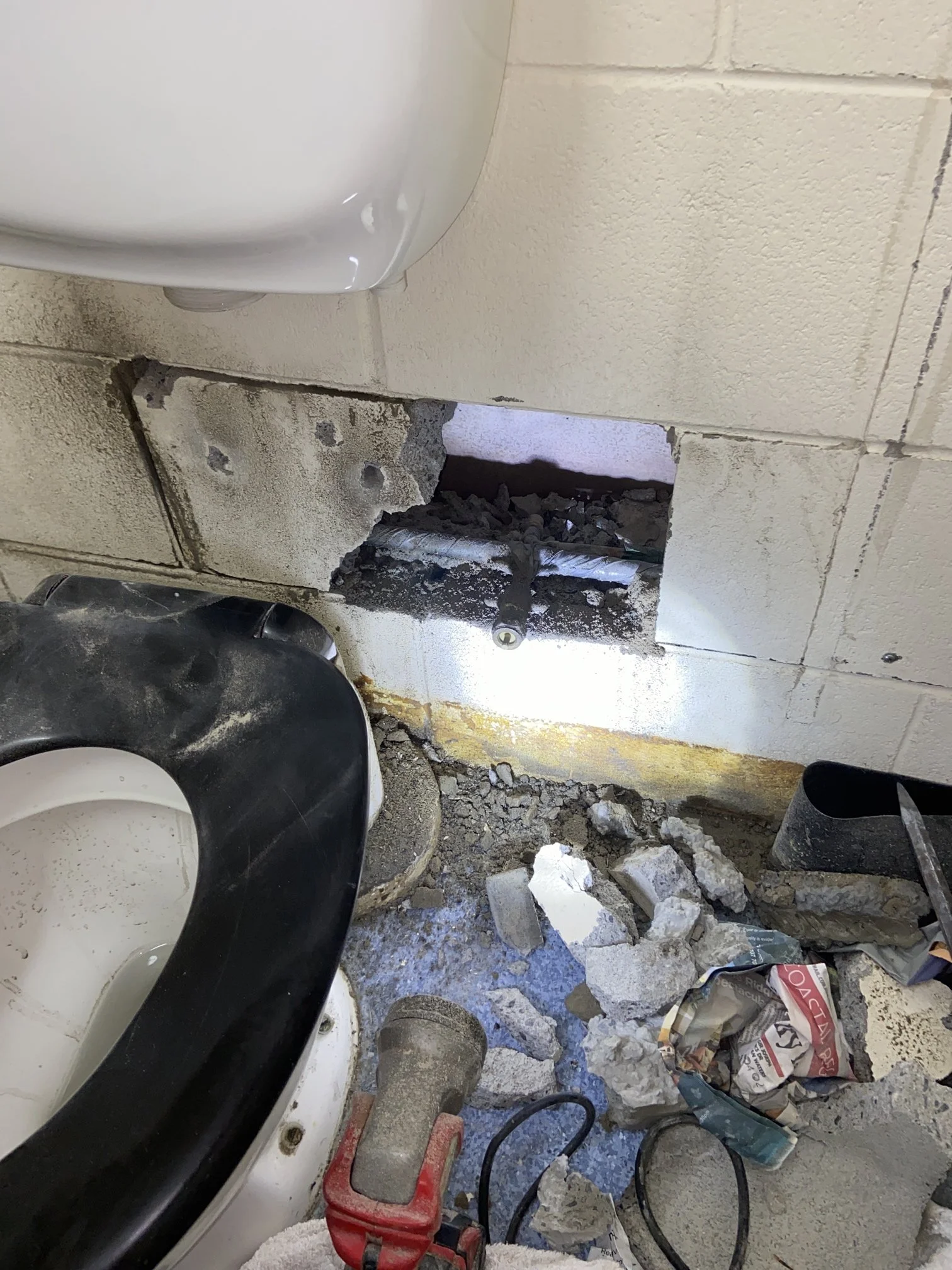
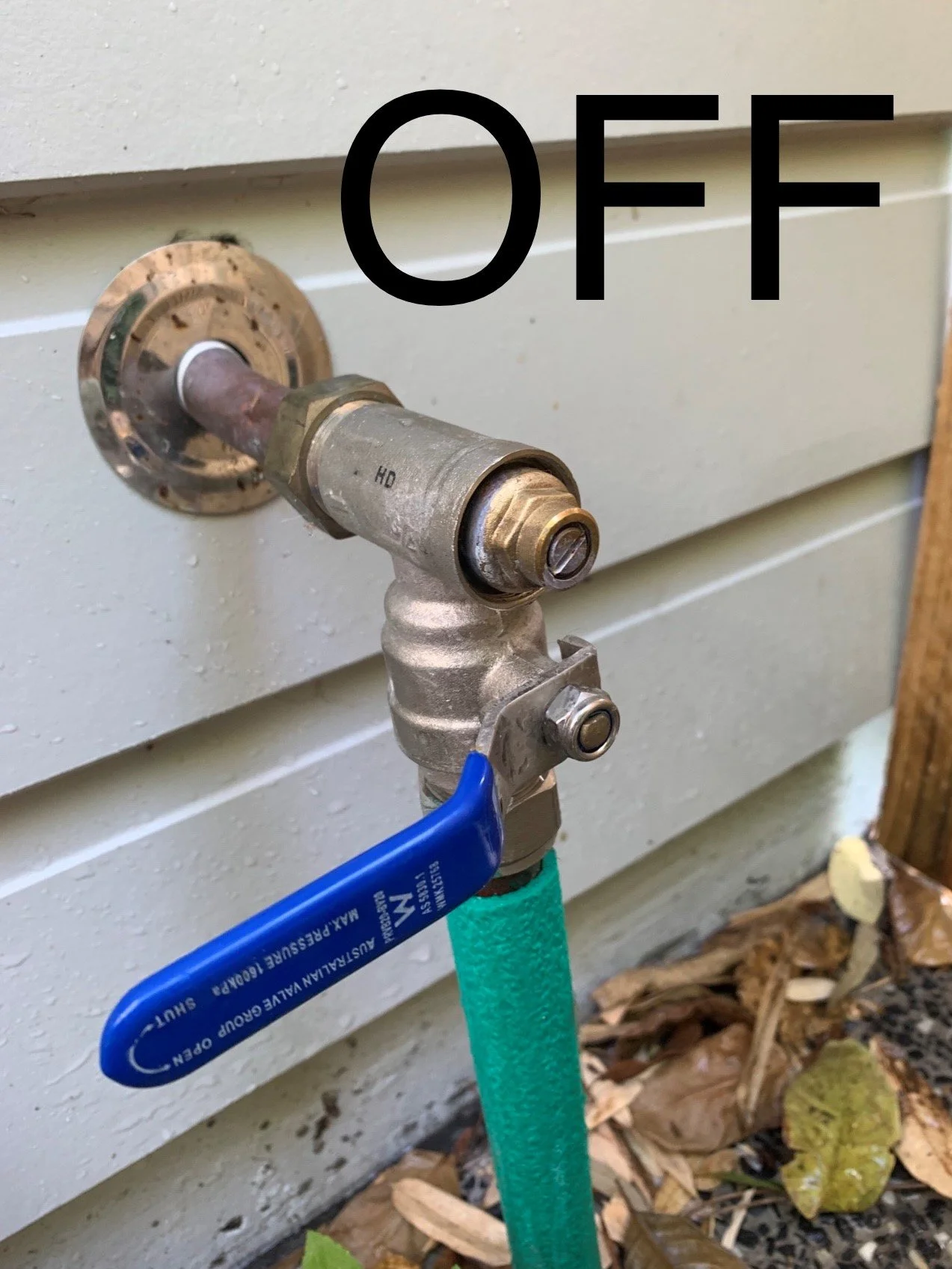
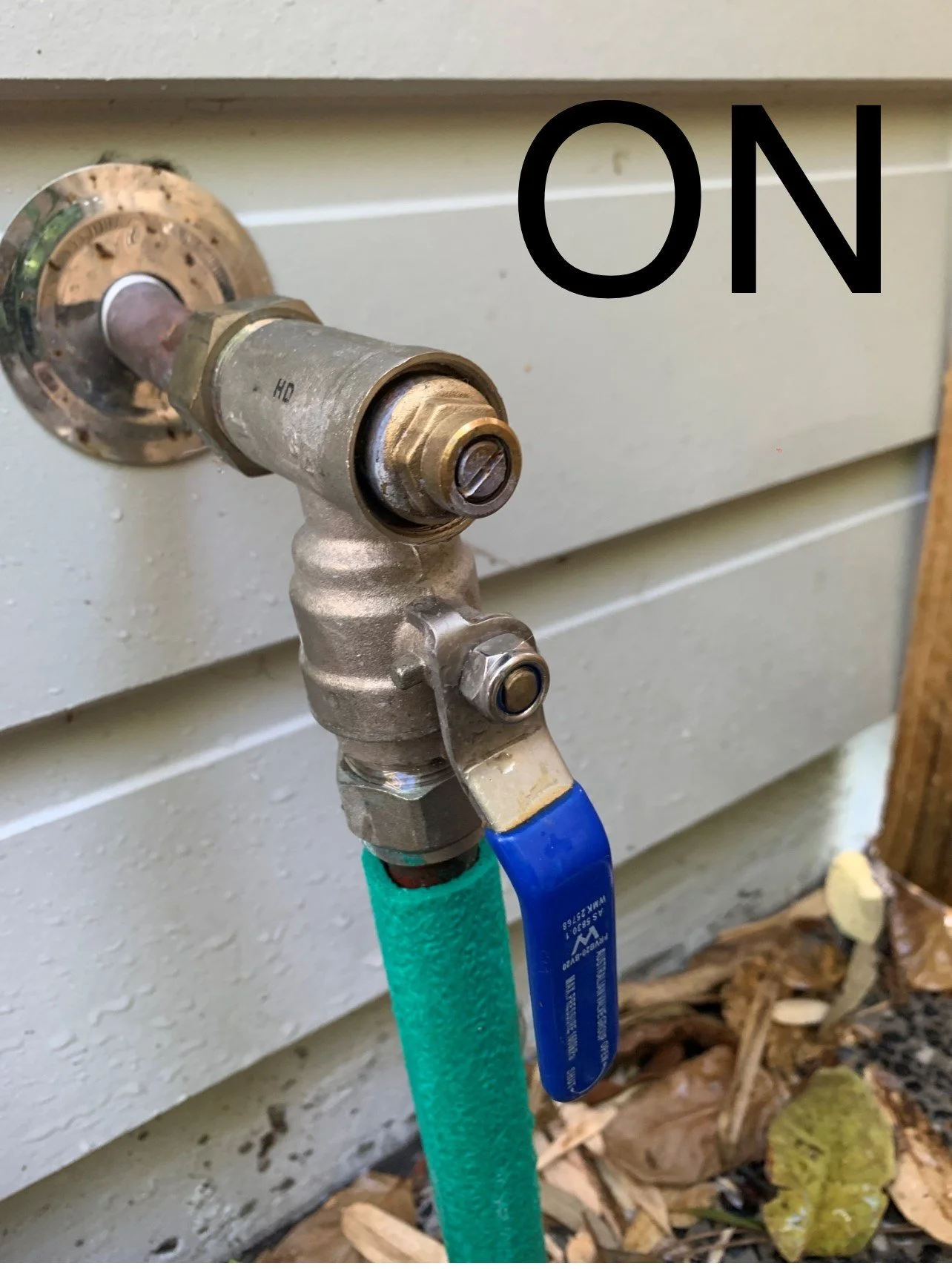
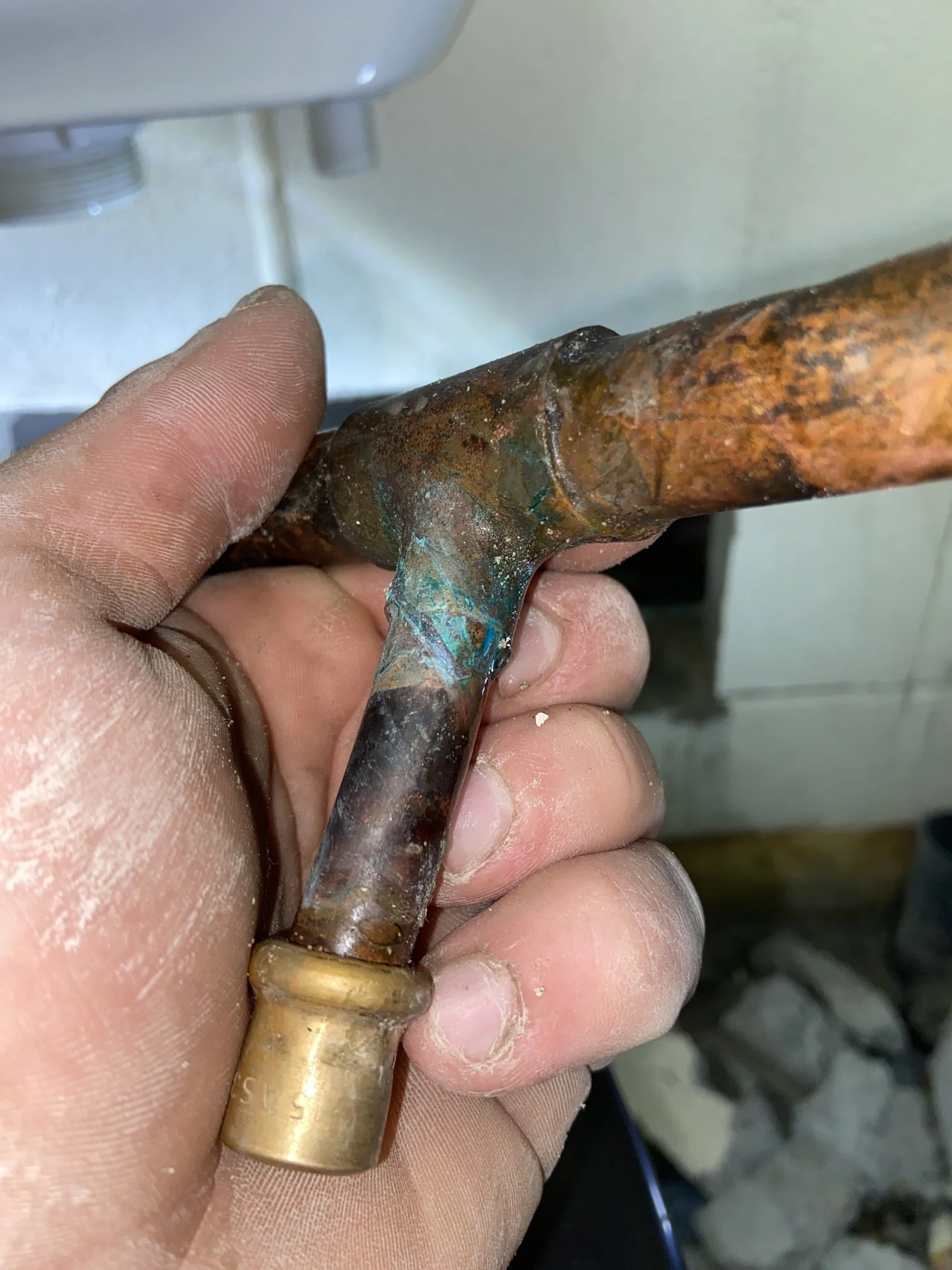
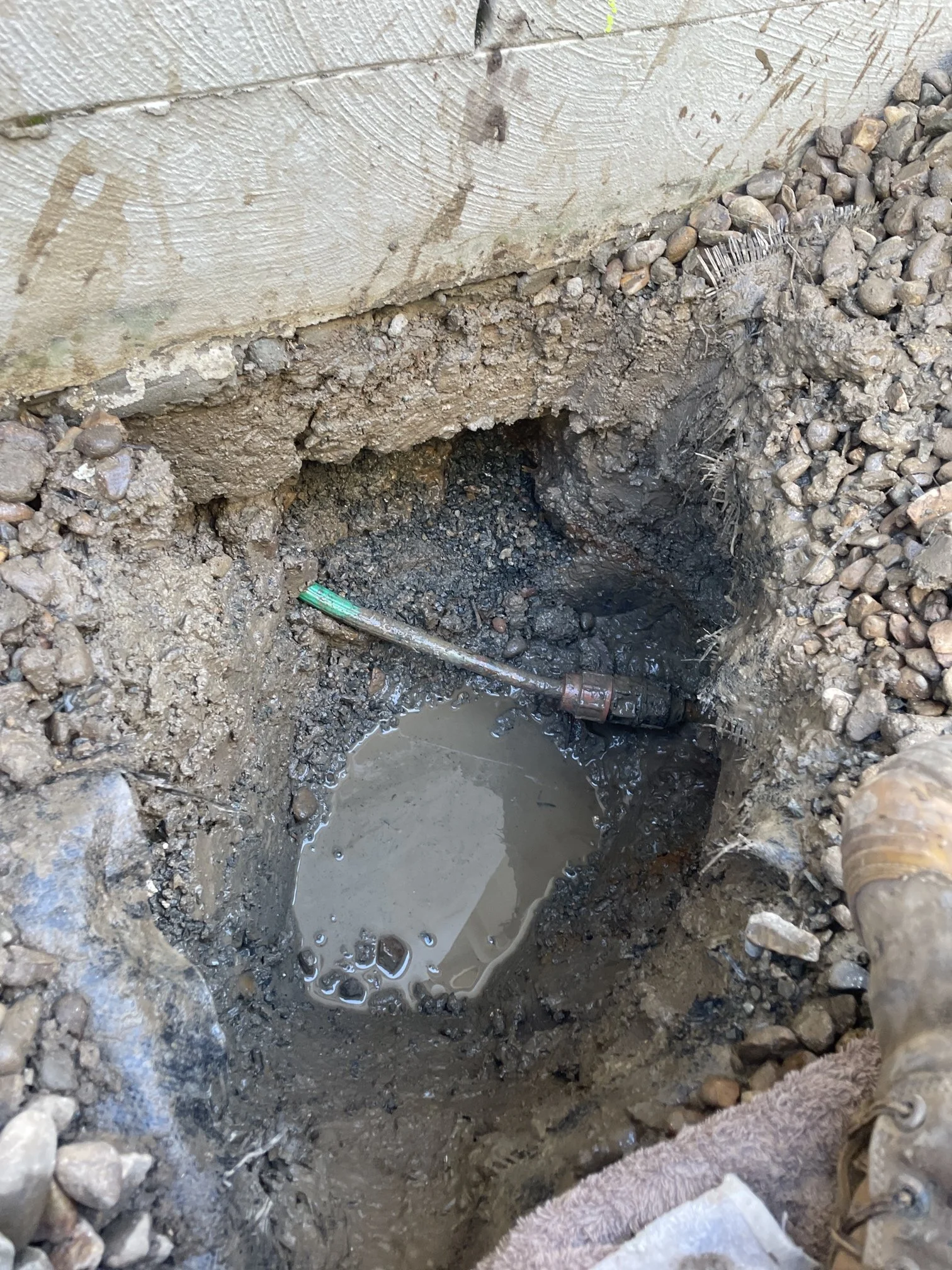
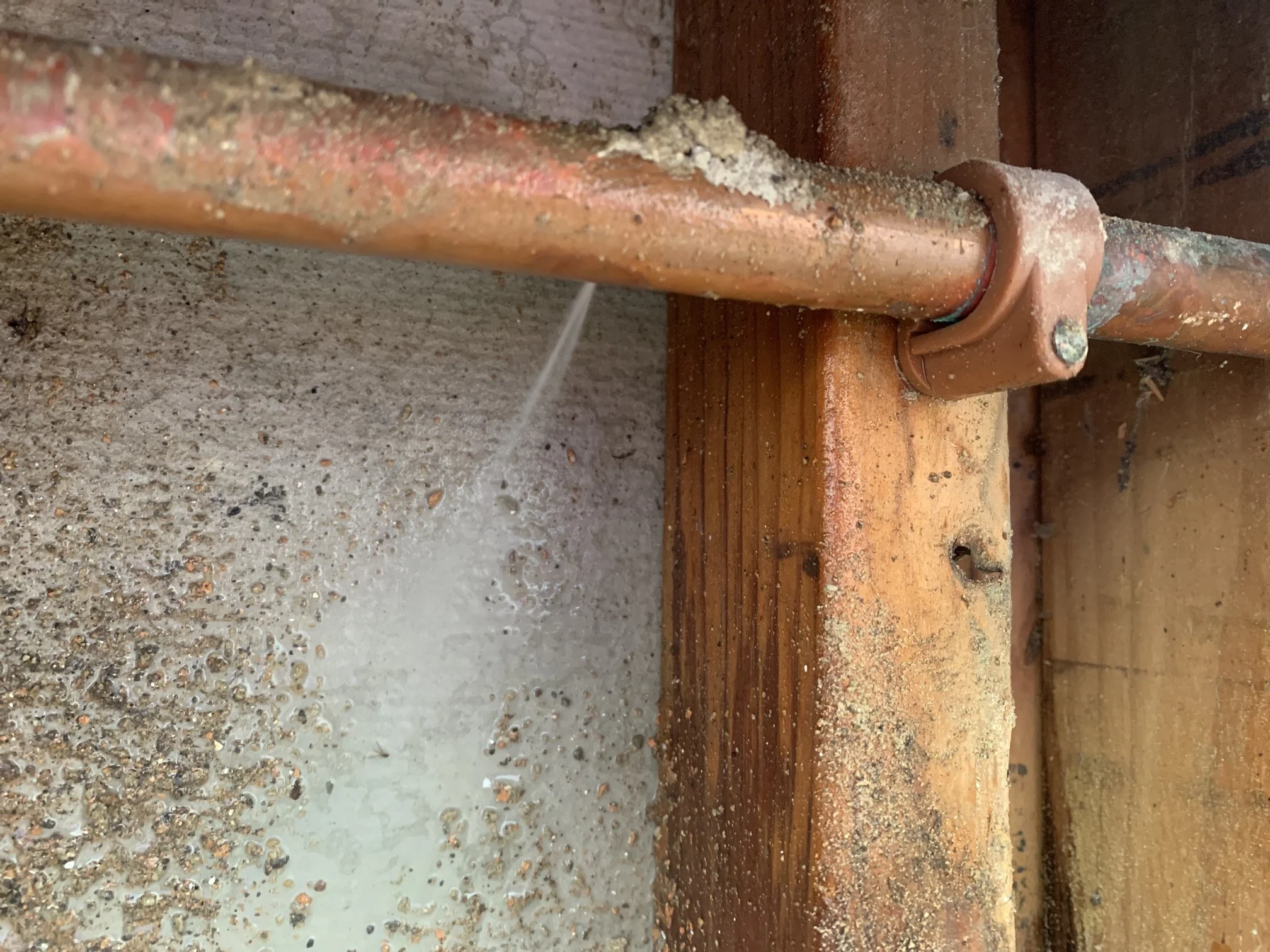
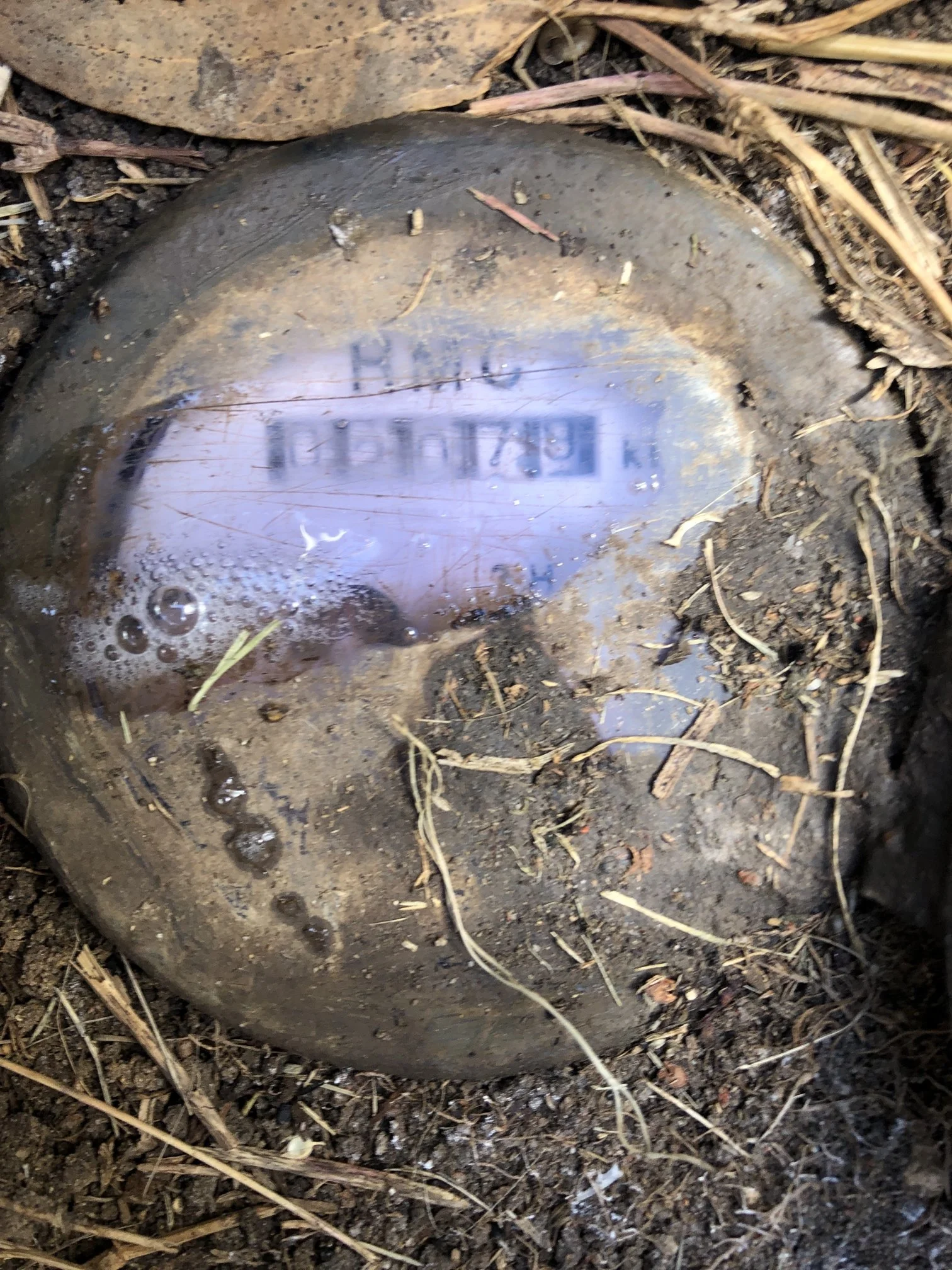
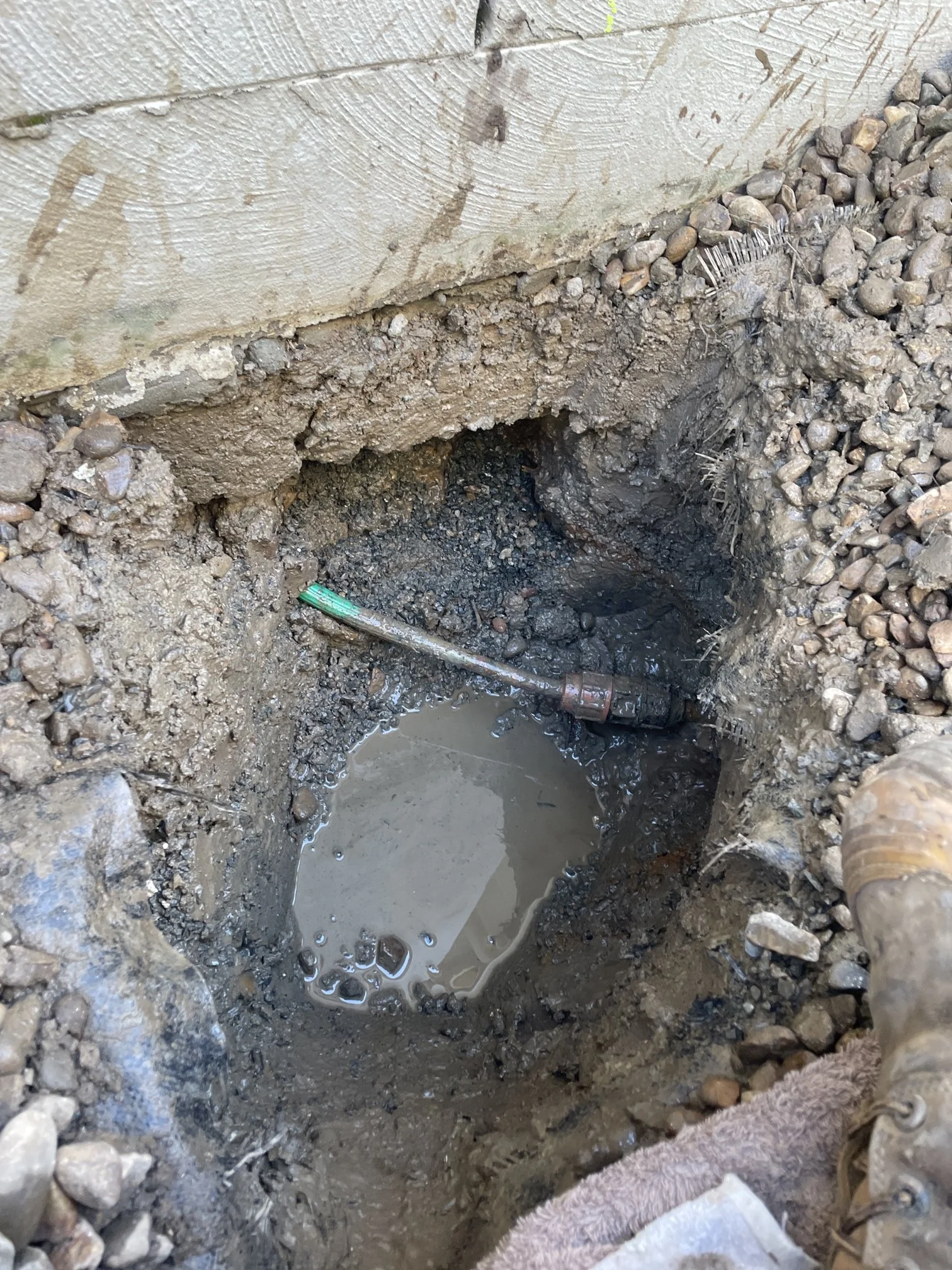
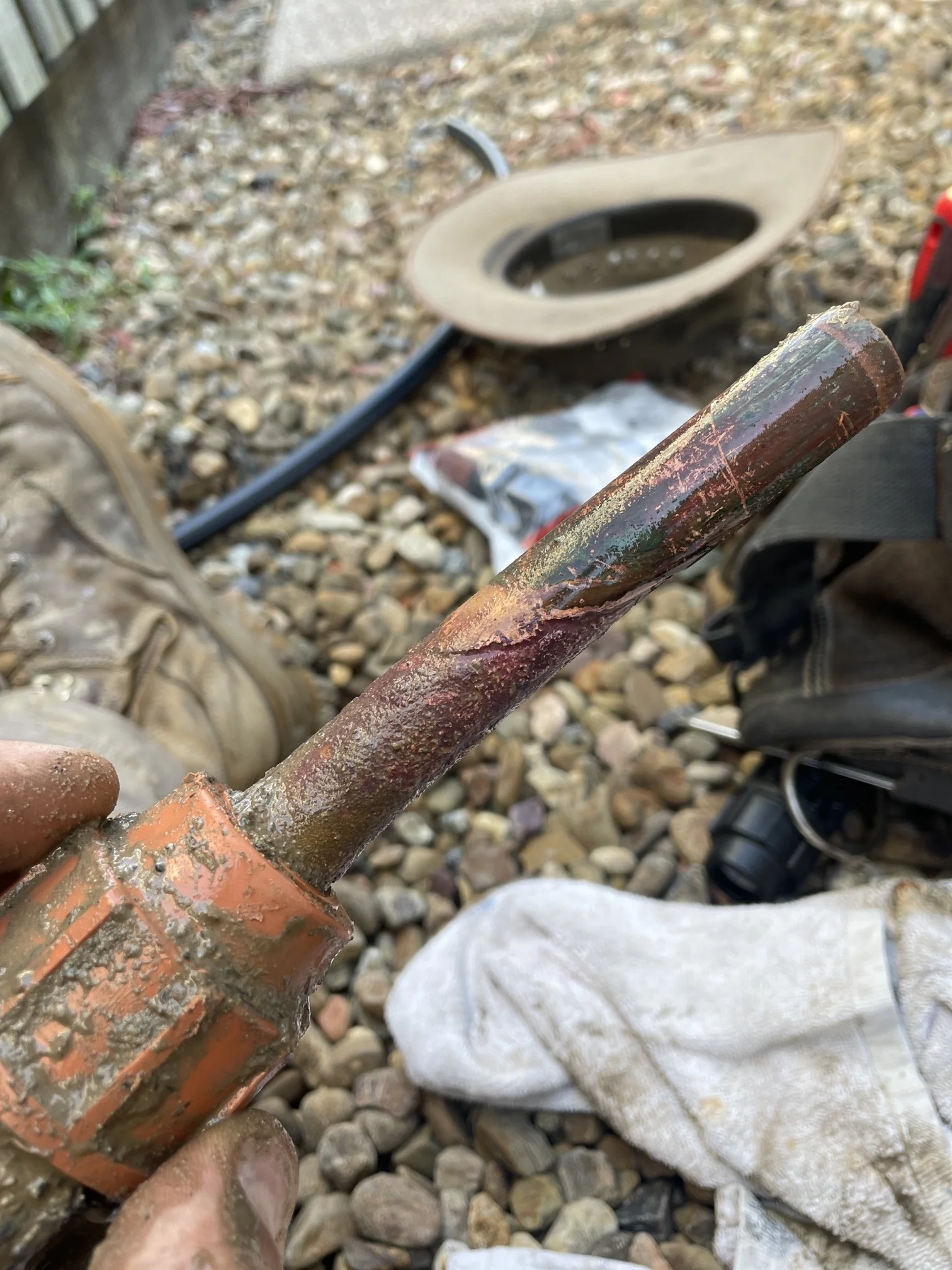
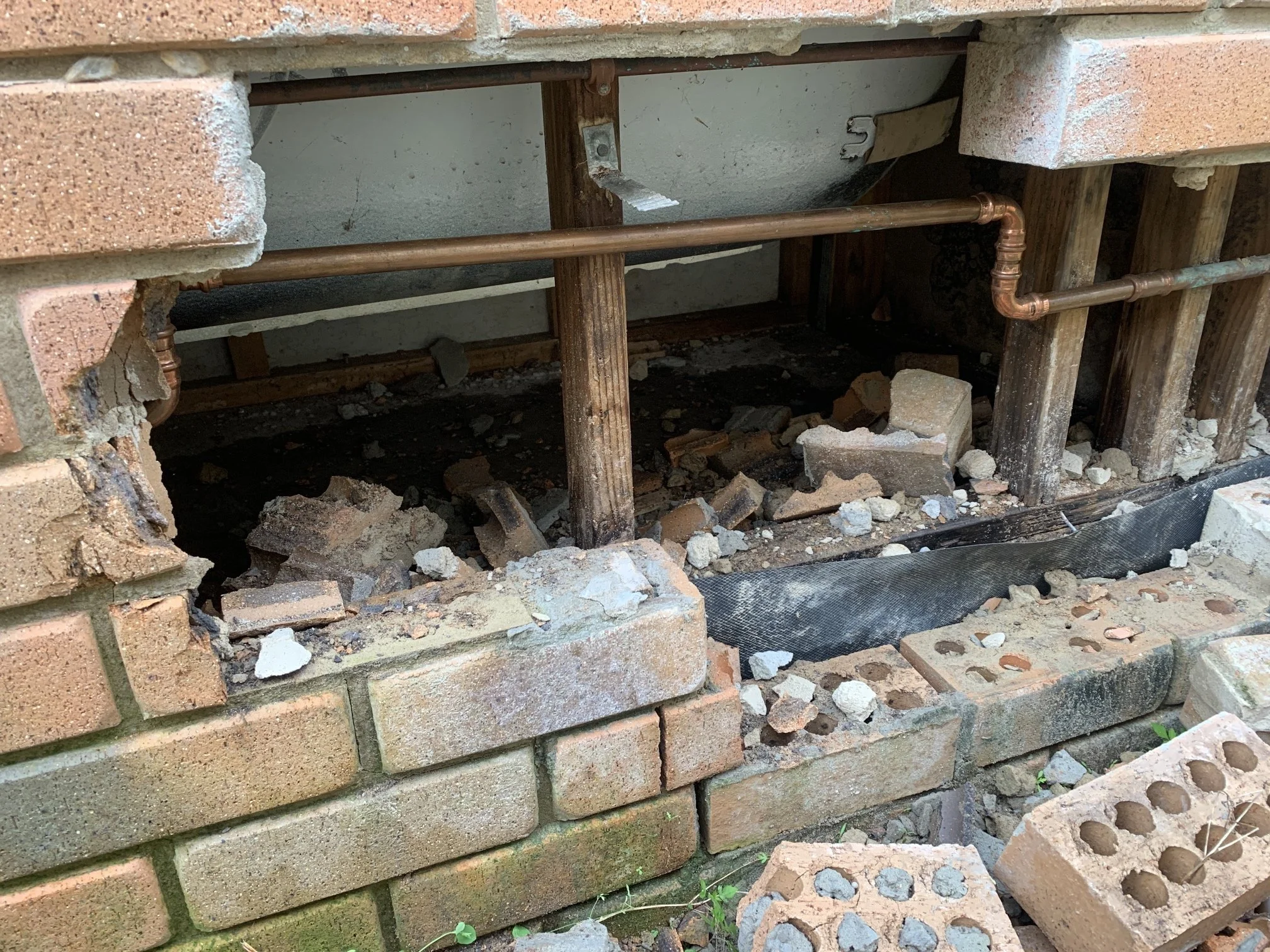
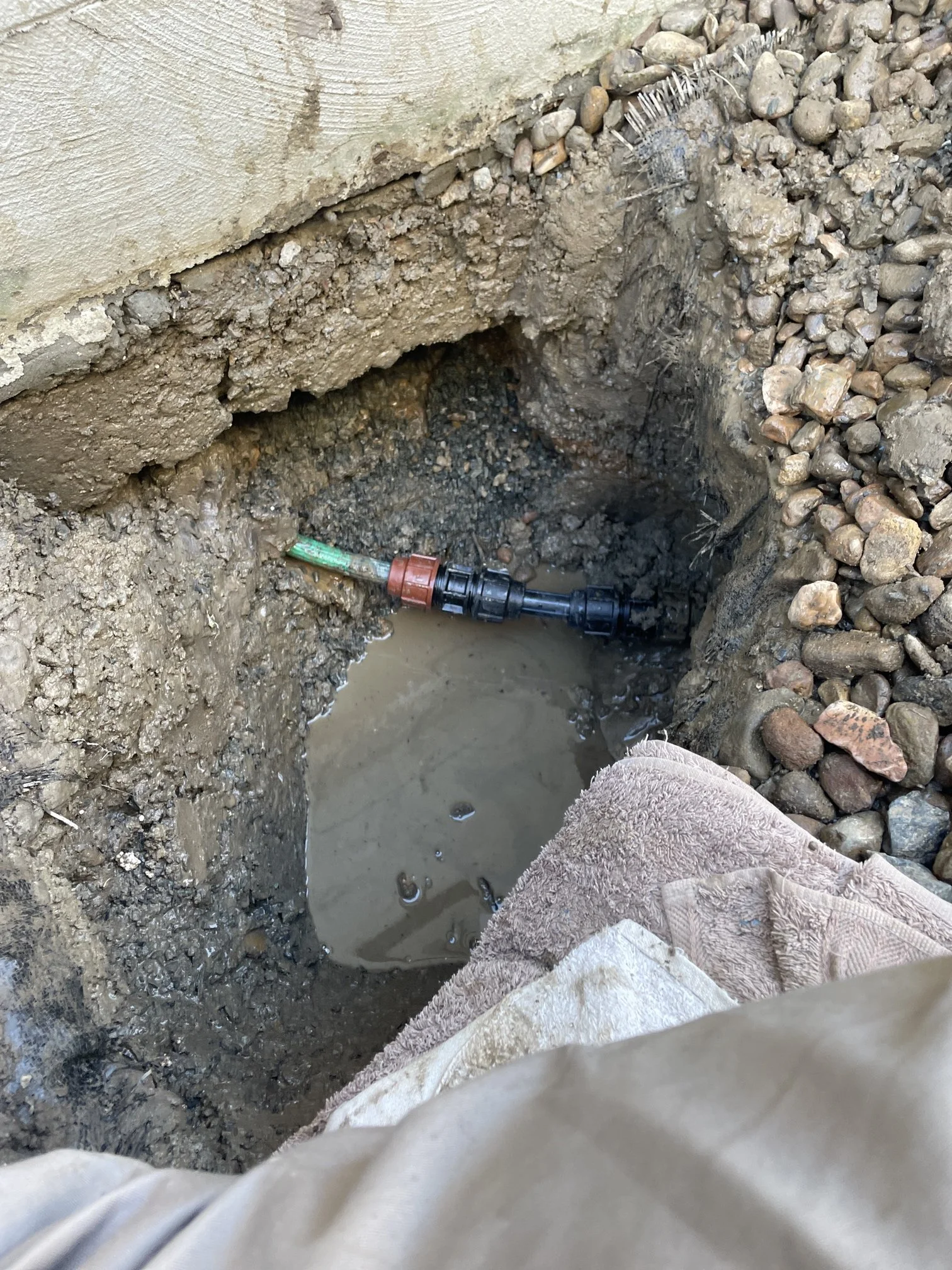
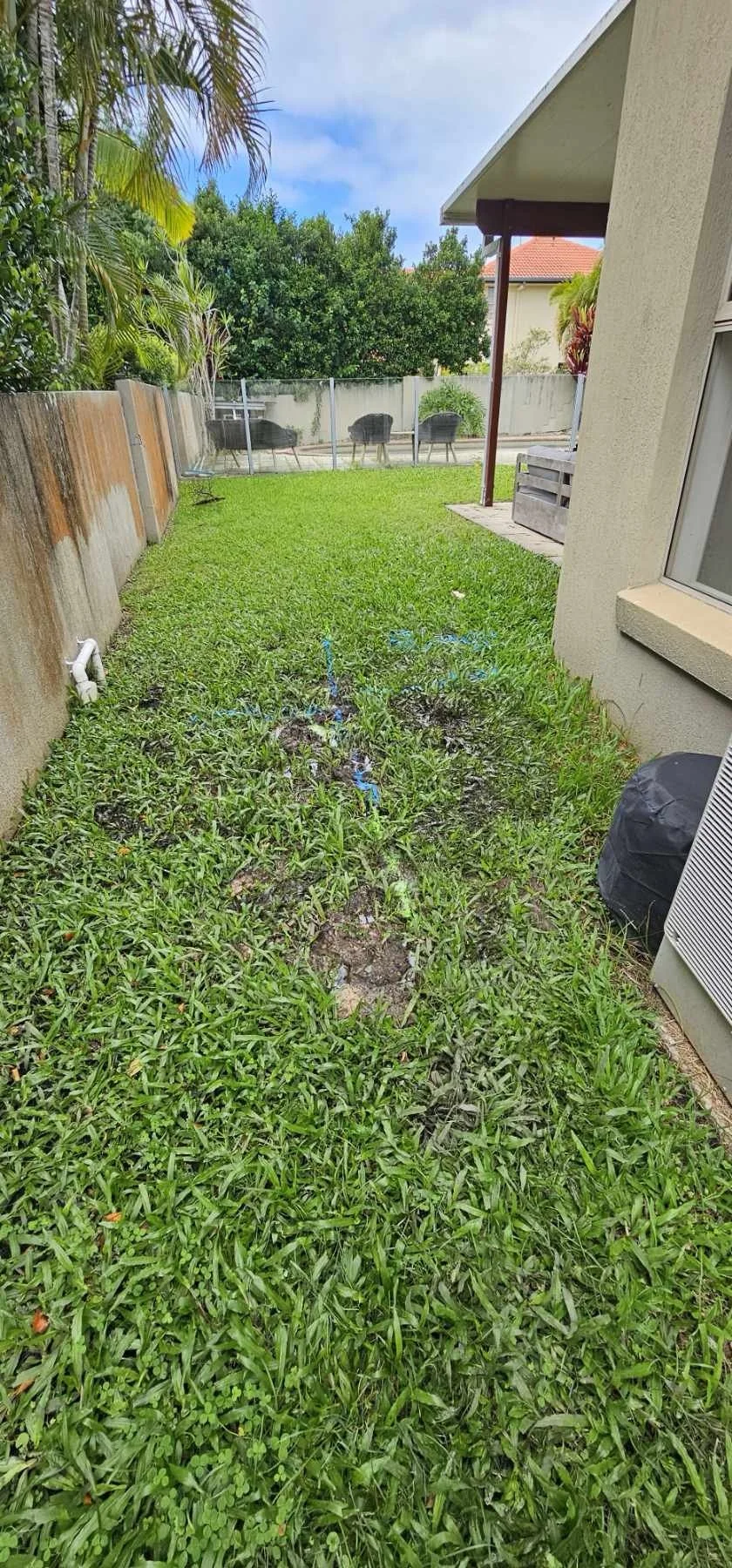
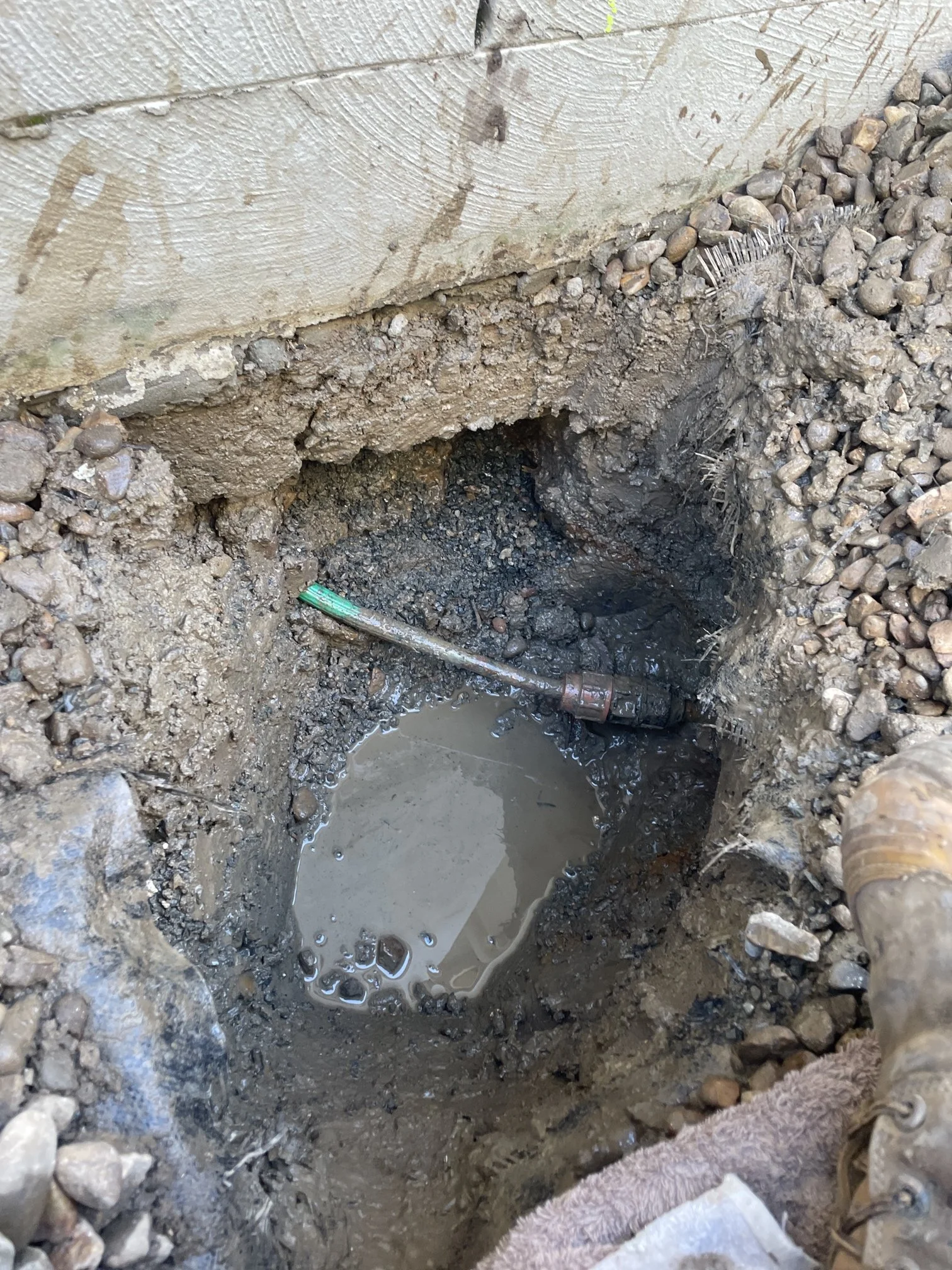
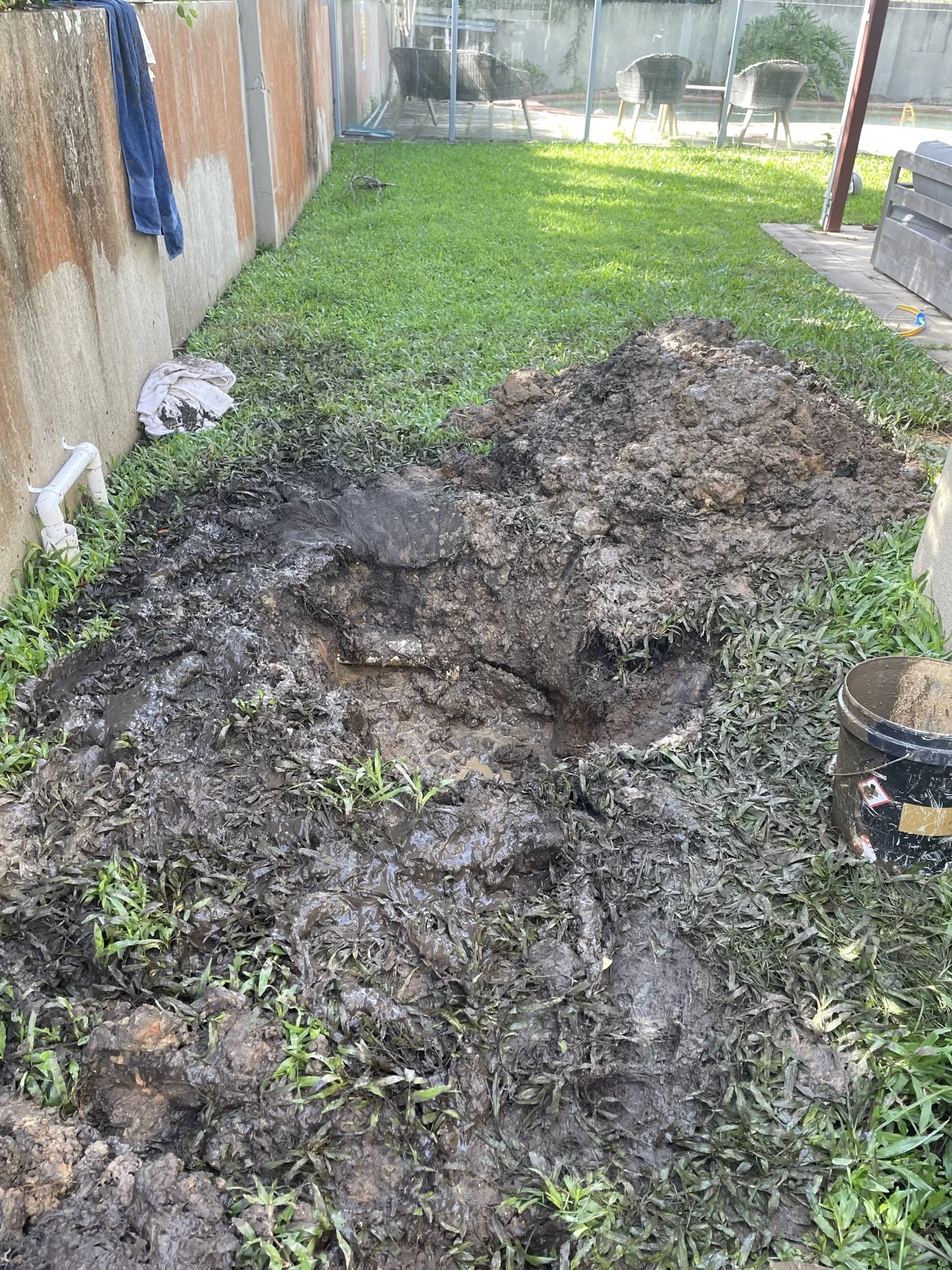
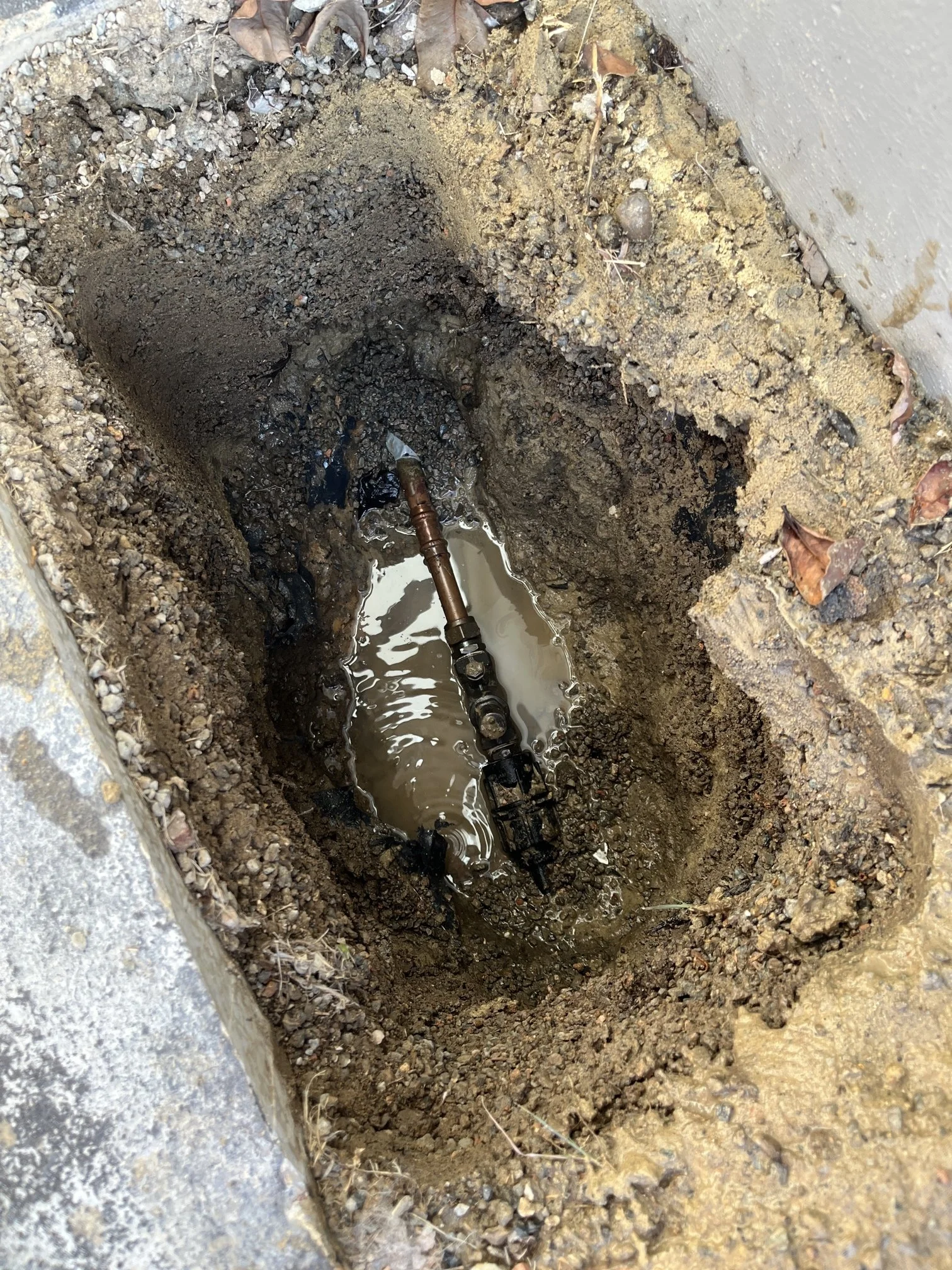
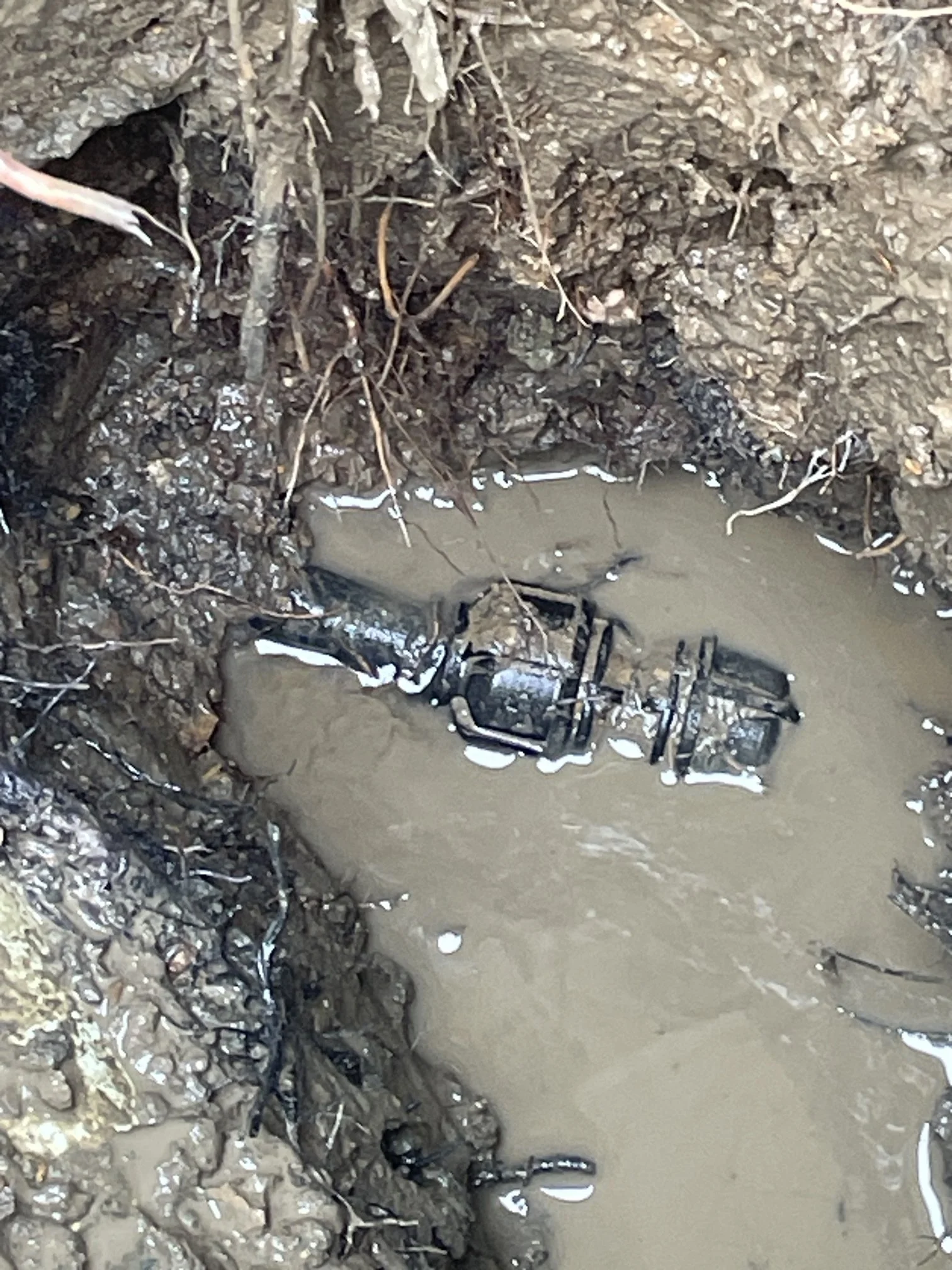
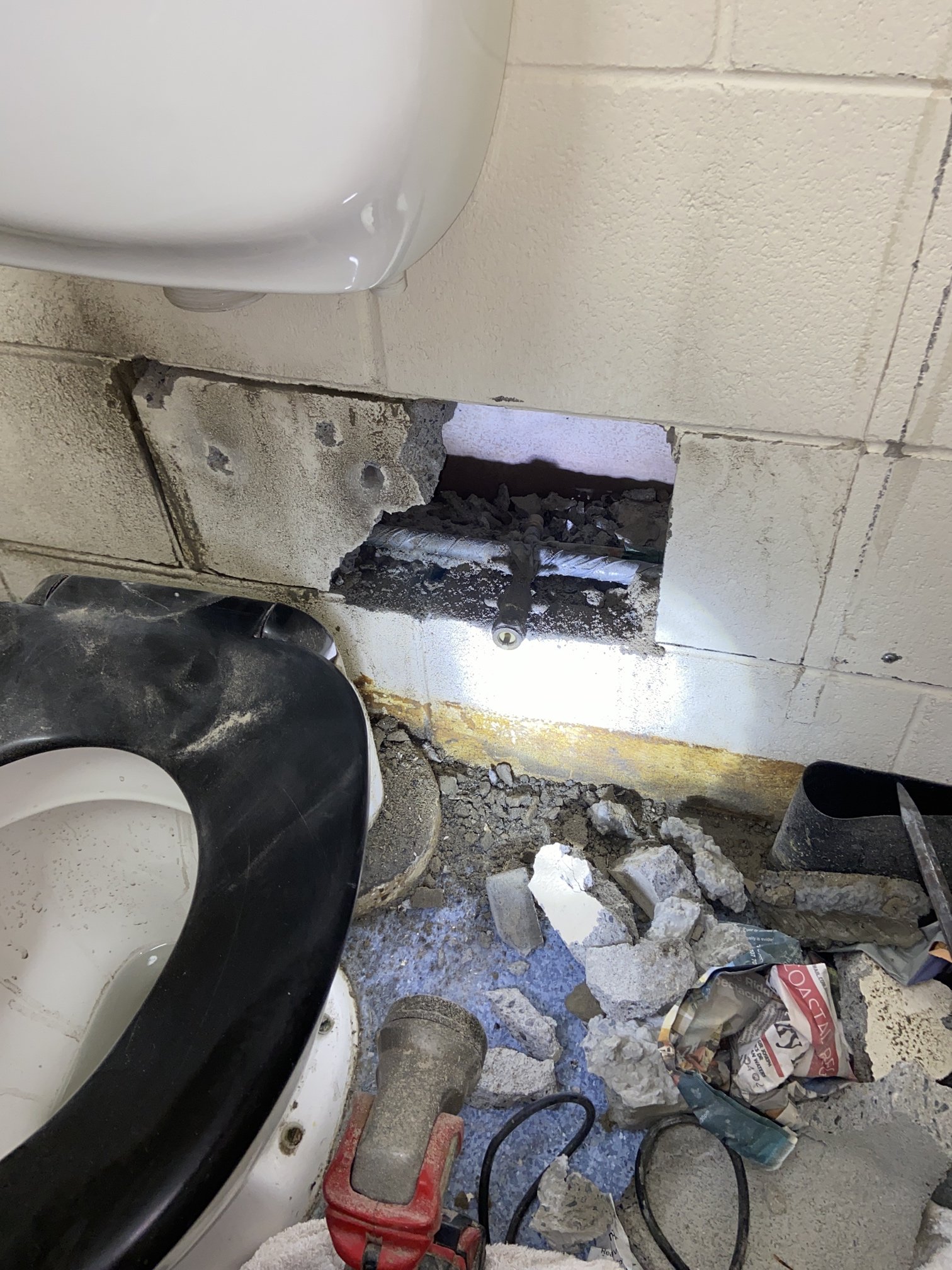
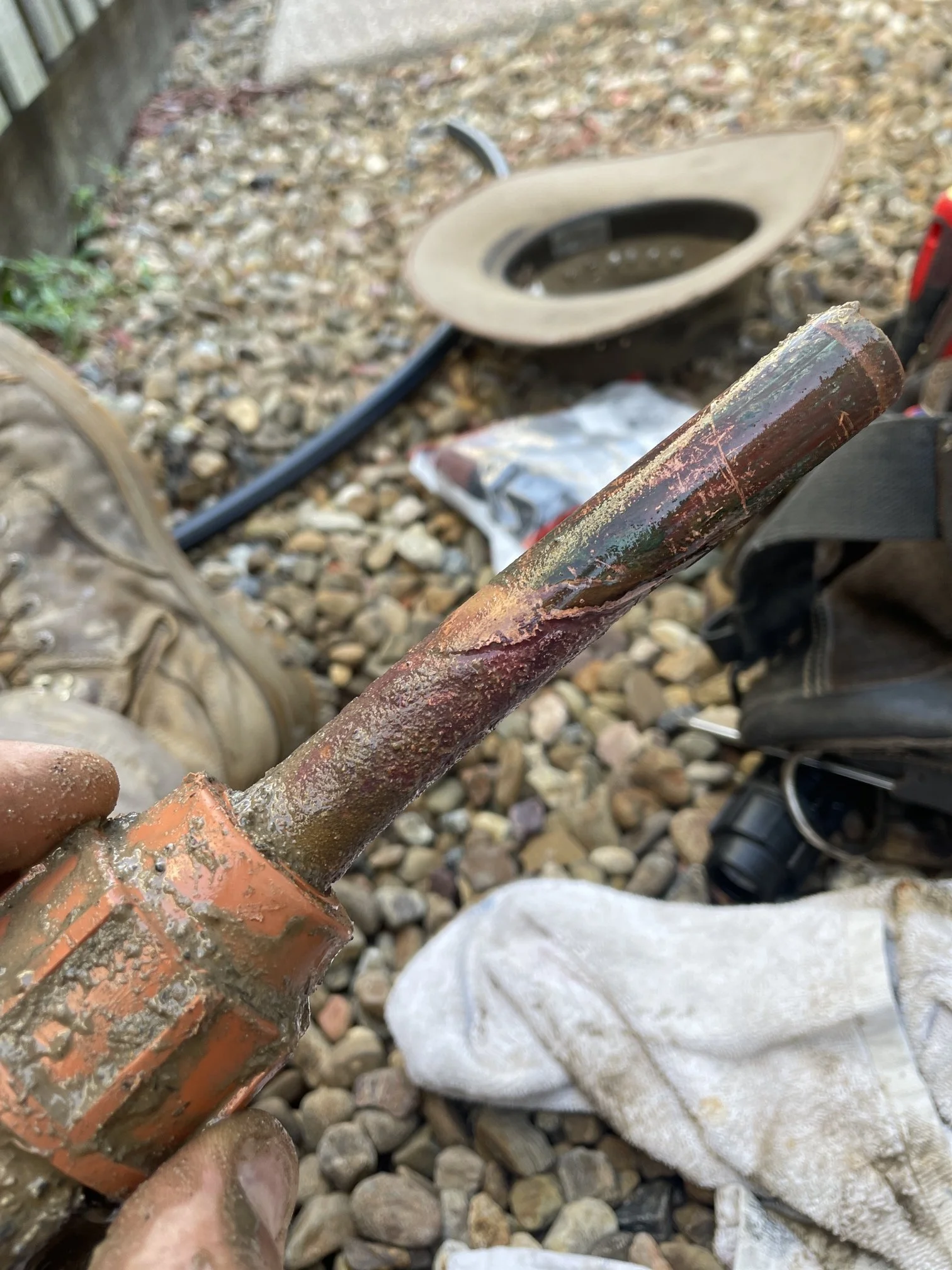
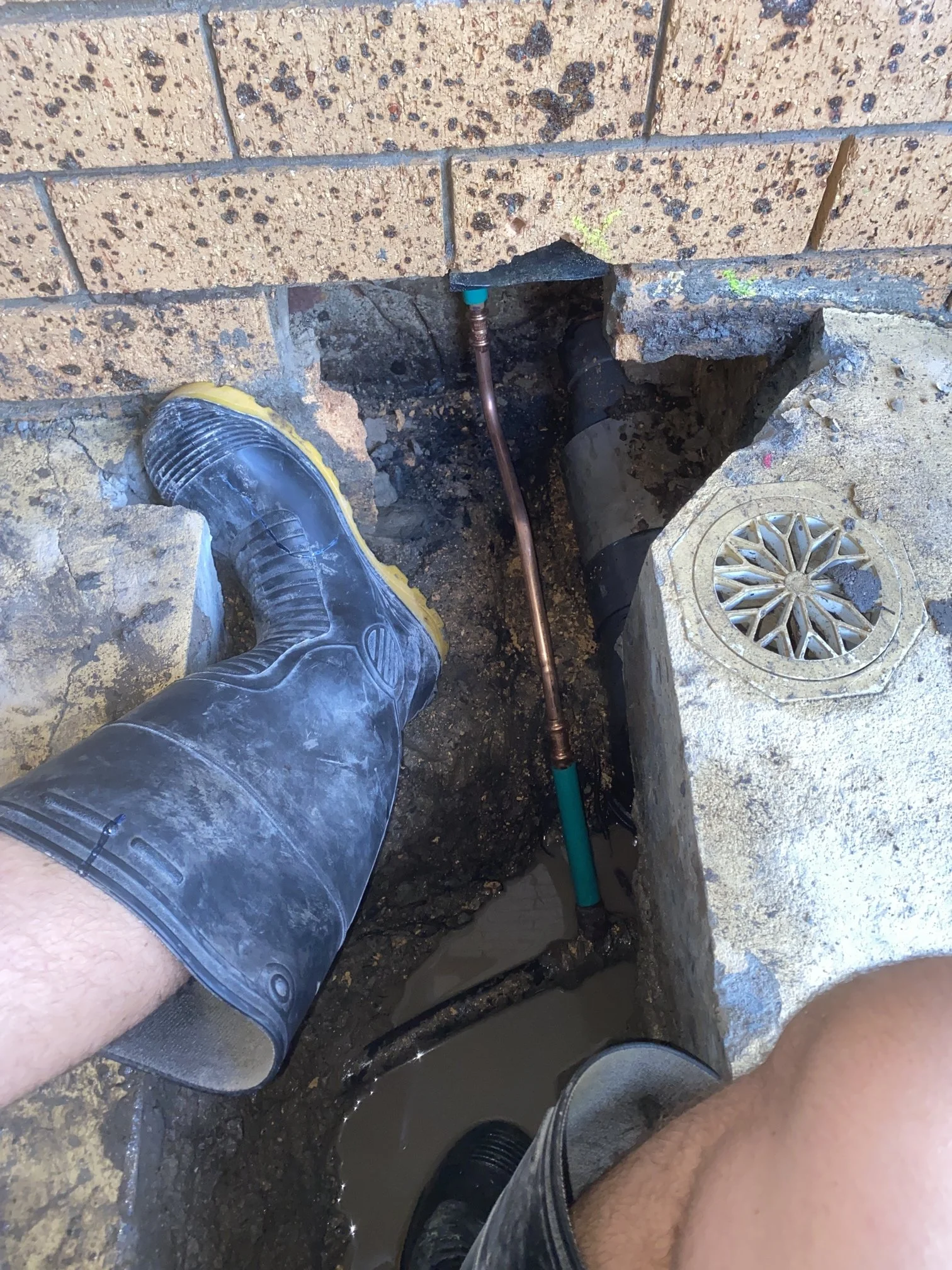
Our licensed plumber demonstrates an example of a concealed water leak
Have you received an unexpectedly high water bill, noticed an unusually green or soggy patch of grass, or found water appearing across your driveway even though it hasn’t rained? These may be warning signs of a concealed water leak somewhere on your property.
Hidden leaks can waste a significant amount of water, increase your water costs and cause damage if left untreated. In this helpful guide, we explain how to check your water meter for a possible leak, what signs to look for and when to contact a licensed plumber.
How do you find a concealed water leak?
Watch: How to Check Your Property for a Water Leak
In this short video, our plumber demonstrates how to use your water meter to check whether water may be escaping somewhere on your property.
What Is a Concealed Water Leak?
A concealed water leak is a leak that is hidden from view and cannot be easily identified through a normal visual inspection.
It may be caused by a cracked, split or damaged water pipe located:
underground
beneath a driveway or concrete slab
behind a wall
under a building
within another concealed area of the property
Because the leaking pipe cannot be seen, the first warning may be an unusually high water bill, a moving water meter or unexplained water appearing around the property.
Signs You May Have a Concealed Water Leak
Possible signs include:
an unexpectedly high water bill
a water-usage notice from your council or water provider
your water meter moving when nothing is using water
wet, muddy or soft areas around the property
unusually green patches of grass
water appearing across a driveway or concrete area
reduced water pressure
the sound of water running when taps are turned off
dampness, staining or damage around walls, floors or cabinetry
Not every wet area is caused by a concealed water leak, but unexplained water should be investigated as soon as possible.
How to Check Your Water Meter for a Leak
You can complete a basic water-meter test before contacting a plumber.
1. Turn off all water-using fixtures
Make sure no water is being used inside or outside the property.
This includes:
taps and showers
toilets
washing machines
dishwashers
irrigation systems
pool-filling equipment
water-connected appliances
2. Locate your water meter
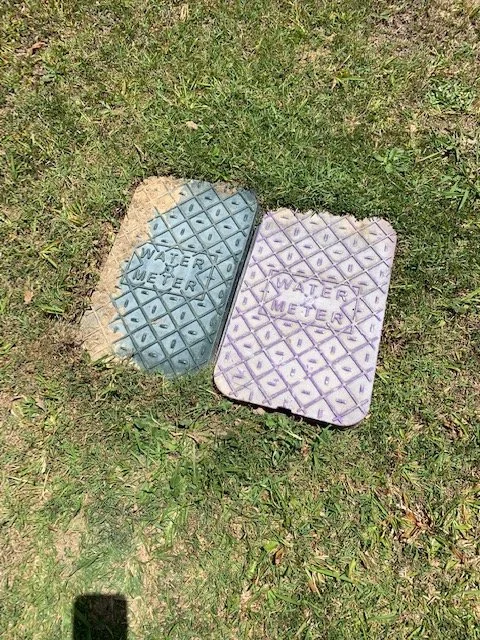
The water meter is commonly positioned near the front boundary of the property inside a meter box.
Grass, soil or garden material may be covering the box. Carefully clear the area so you can open the lid and read the meter.
Not sure where your meter is? Read our guide on how to locate your water meter.
How to locate your water meter
Logan residents can also follow our guide on how to turn off the water mains in Logan City.
How to turn off the water mains in Logan City
Gold Coast residents can view our guide on how to turn off the water mains on the Gold Coast.
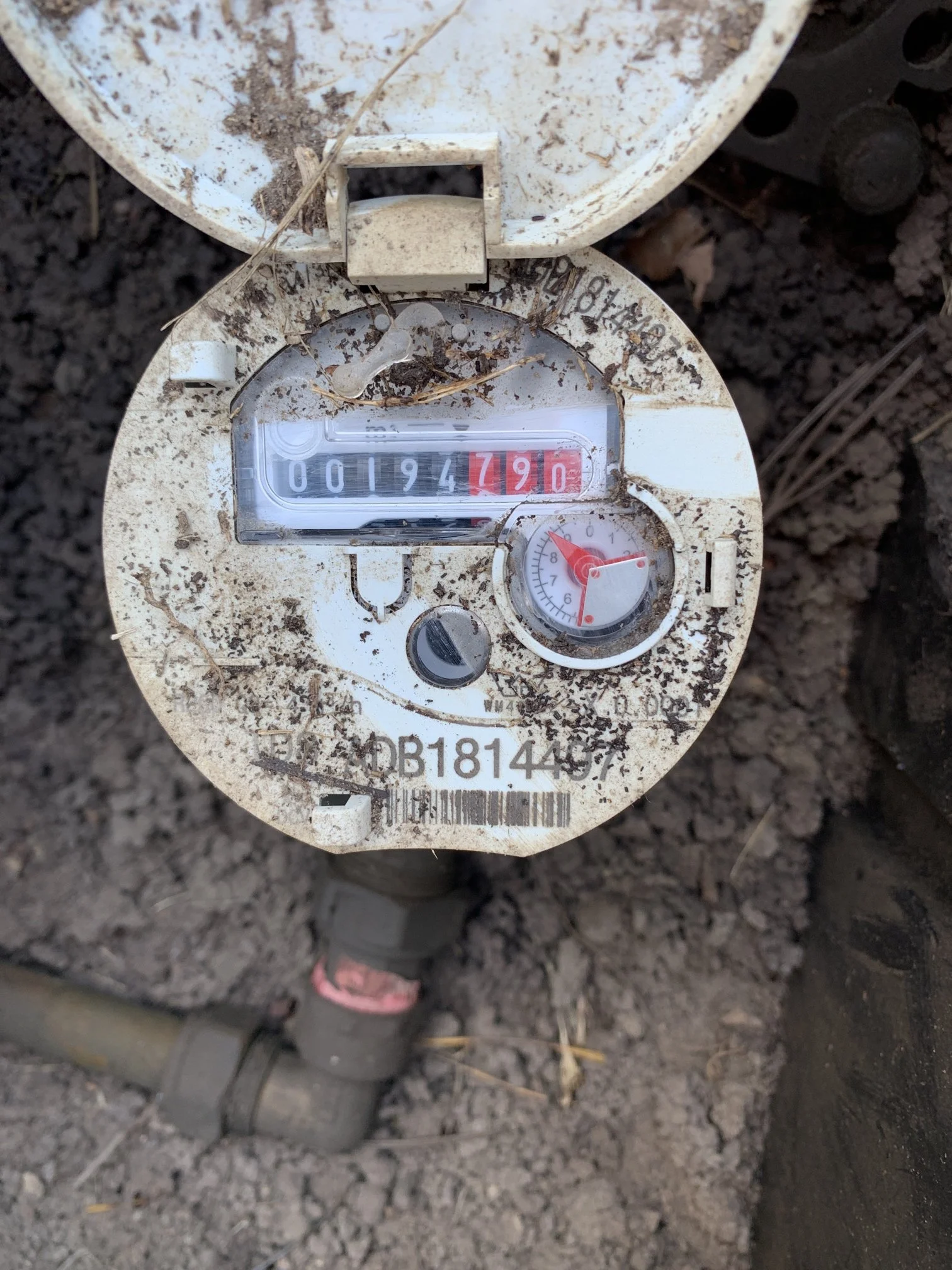
3. Record the meter reading
Write down the numbers displayed on the meter or take a clear photograph with your phone.
Some meters also have a small leak-detection dial or indicator. Watch to see whether it continues moving while all water is turned off.
4. Wait and check it again
Do not use any water for approximately 20 to 30 minutes.
Check the meter again and compare the numbers with your original reading.
If the reading has changed, water may still be flowing somewhere on the property.
What Should You Check Next?
Before assuming the leak is underground, check for visible plumbing problems throughout the property.
Look at:
toilets that continue running into the bowl
dripping taps
leaking mixer taps
flexible braided hoses
hot water systems
outdoor taps
irrigation systems
washing machine and dishwasher connections
water filters
pool and spa equipment
A leaking toilet or faulty appliance can also cause the water meter to move and increase your water usage.
A running toilet can create a high water bill without being a concealed underground leak.
A leaking toilet can waste water without being immediately obvious.
Learn how to check your toilet for a hidden leak.
How to check your toilet for a hidden leak
If water is actively escaping, follow our guide explaining what to do when you have a burst water pipe.
If the meter continues to move and there are no visible leaks, there may be a concealed leak requiring professional investigation.
Who Is Responsible for Repairing a Concealed Water Leak?
Property owners are generally responsible for maintaining and repairing the private water pipes located on their side of the water meter.
If you own the property, arrange for the leak to be investigated promptly. Your local council or water provider may have specific requirements if you intend to apply for a concealed leak remission or water-usage adjustment.
If you are renting, notify your property manager or landlord as soon as possible. Do not arrange invasive work without receiving the appropriate approval unless you are responding to an immediate emergency.
Responsibility for water charges will depend on the tenancy agreement, the property’s water-efficiency status and the circumstances surrounding the leak.
Property managers and landlords can also learn more about our rental property water-efficiency assessments.
Can You Apply for Water Bill Relief?
Some councils and water providers offer concealed leak remissions or adjustments when an eligible hidden leak has caused unusually high water usage.
Eligibility, time limits and required documentation vary between providers. You may be asked to supply:
a completed application form
a licensed plumber’s invoice
details of the leak and repairs
the repair date
evidence that the leak was concealed
evidence that the repair was completed promptly
Contact your council or water provider directly to confirm its current requirements.
Concealed Leak Information for Your Area
Include links to:
Keep every plumber’s invoice, report and photograph associated with the investigation and repair.
How Is a Concealed Water Leak Located?
Finding a concealed leak is not always as simple as opening the ground directly above the visible water.
Water can travel beneath concrete, through soil and along pipework before appearing in another location. This means the wettest area is not necessarily where the pipe has failed.
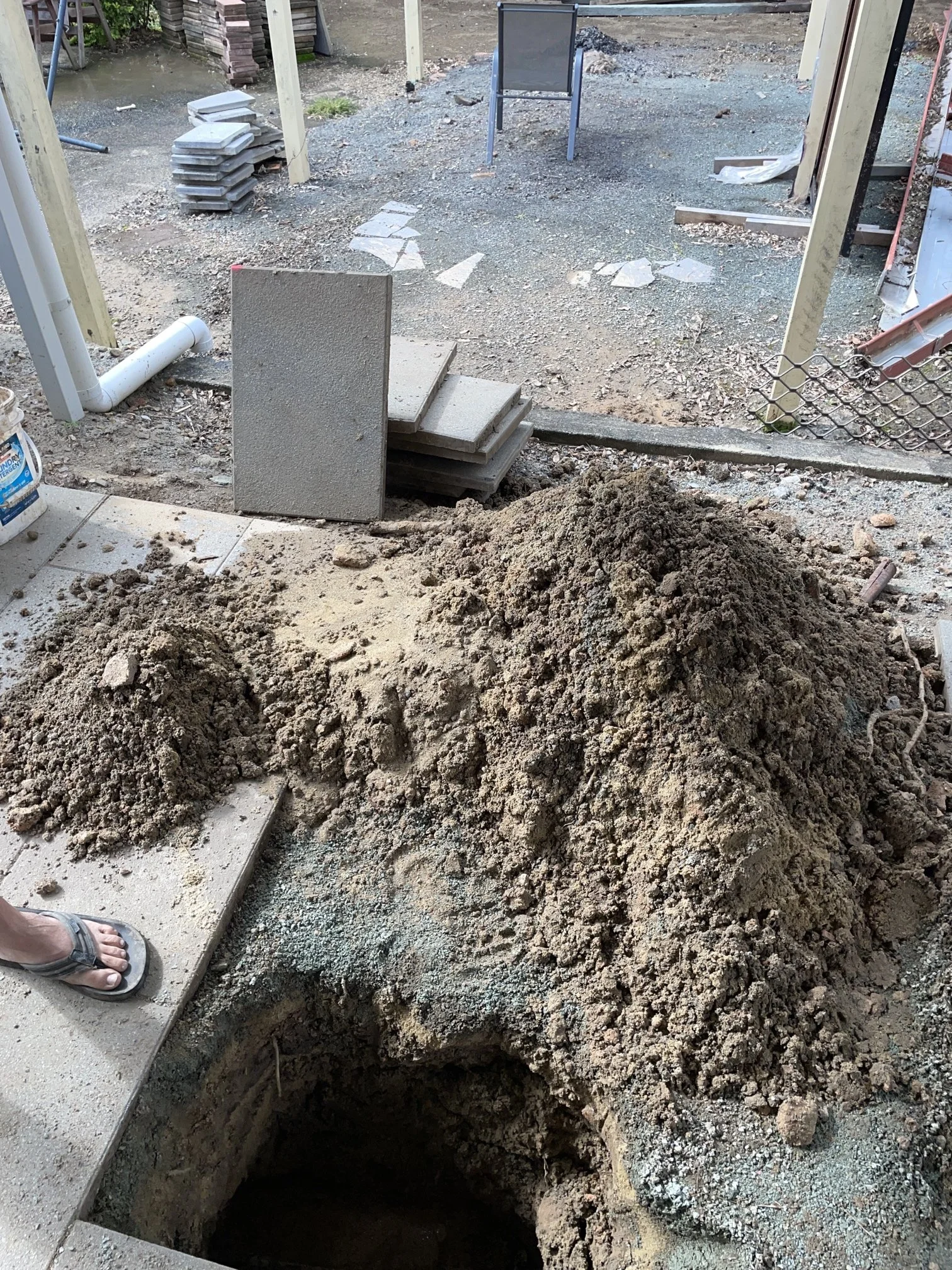
Randomly cutting concrete, removing bricks or excavating gardens may cause unnecessary damage without locating the leak.
A plumber can first assess the water meter, fixtures, pipework and property conditions. Depending on the situation, suitable leak-detection methods may be used to narrow down the likely location before access and repair work is recommended.
Some properties may require a specialist leak-detection contractor before the plumbing repair can be completed.
Suspect a Concealed Water Leak?
Moyle Plumbing & Gasfitting can assess suspected water leaks, check for visible plumbing faults and advise on the next step required to locate and repair the problem.
We assist homeowners, landlords, tenants and property managers throughout Gold Coast North, Logan City, Brisbane Southside and surrounding areas.
Call 0447 671 095 or email admin@moyleplumbing.com.au to arrange an inspection.
Early investigation can help reduce water waste, prevent further property damage and provide the documentation you may need when contacting your council, insurer or property manager.
Emergency Plumber 0447 671 095 ~ Brisbane Southside - Logan City - Northern Gold Coast - Ipswich - Redland Bay 0447 671 095
〰️
Emergency Plumber 0447 671 095 ~ Brisbane Southside - Logan City - Northern Gold Coast - Ipswich - Redland Bay 0447 671 095 〰️
Call ☎️ 0447 671 095